


-

Add: HeBei ShengShi HongBang Cellulose Technology CO.,LTD.
-

Email
13180486930@163.com -

CONTACT US
+86 13180486930



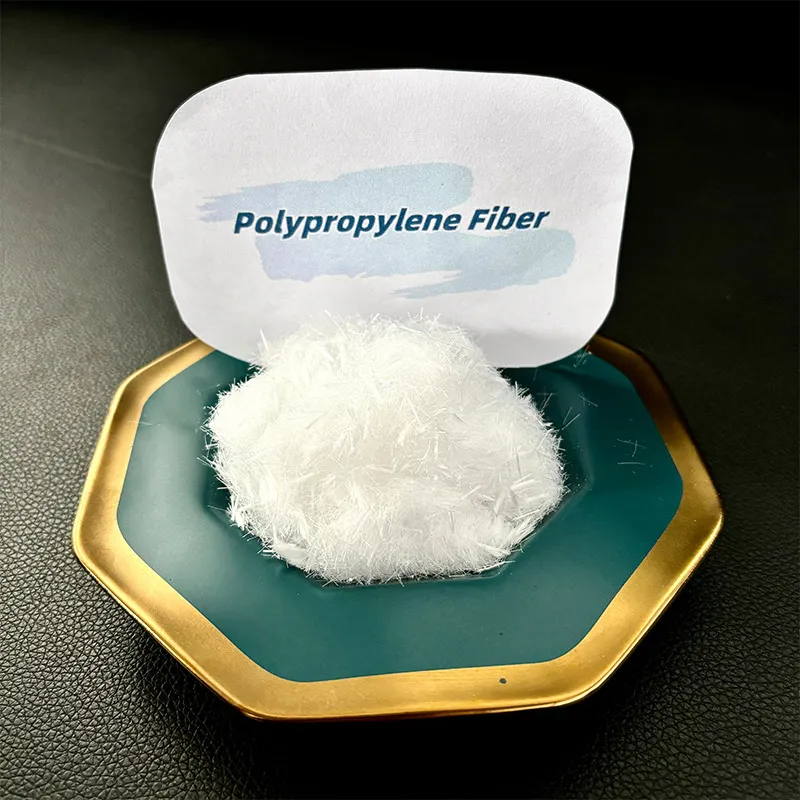
The Growing Importance of PP Fiber Concrete in Modern Construction In the ever-evolving landscape of construction materials, polypropylene (PP) fiber concrete has emerged as a noteworthy innovation that enhances the performance of traditional concrete. This article explores the significance of PP fiber concrete, its properties, applications, and the benefits it brings to modern construction. Understanding PP Fiber Concrete PP fiber concrete is a composite material that incorporates polypropylene fibers into traditional concrete mix. These fibers, typically ranging from 0.5 to 1.5 inches in length, are designed to improve the structural integrity of the concrete. They act as reinforcement, providing a secondary layer of strength that helps to mitigate various forms of damage that can occur during curing and throughout the life of the structure. Key Properties of PP Fiber Concrete One of the most notable properties of PP fiber concrete is its ability to reduce plastic shrinkage cracking. During the curing process, traditional concrete is susceptible to environmental factors such as temperature fluctuations and evaporation of moisture, which can lead to stress and cracks. The integration of polypropylene fibers helps to control these cracks by providing a linking mechanism, which allows stress to be distributed more evenly throughout the concrete. In addition to crack resistance, PP fiber concrete also offers enhanced toughness and impact resistance. The fibers absorb and dissipate energy when forces are applied, making it suitable for applications where durability is paramount. Moreover, the use of PP fibers improves the concrete's resistance to freeze-thaw cycles, making it an ideal choice for structures exposed to varying climatic conditions. Applications of PP Fiber Concrete The versatility of PP fiber concrete lends itself to a wide range of applications across various sectors of the construction industry. It is commonly used in - Industrial Flooring Due to its high durability and resistance to impact, PP fiber concrete is often utilized for industrial flooring where heavy machinery operates. The fibers help to maintain the structural integrity even under heavy loads. pp fiber kongkreto - Pavements and Roads The use of PP fiber in pavement designs has shown to improve the longevity of roads and pavements. It helps reduce wear and tear caused by traffic, leading to lower maintenance costs over time. - Precast Elements In the production of precast concrete components such as walls, beams, and slabs, incorporating PP fibers can enhance performance and reduce the risk of cracking during casting and transportation. - Water Retaining Structures PP fiber concrete is also beneficial in the construction of water tanks and reservoirs, as it minimizes the risk of leakage that can arise from cracking. Benefits of Using PP Fiber Concrete The adoption of PP fiber concrete presents multiple advantages beyond enhanced performance. Firstly, it can lead to significant cost savings over the life cycle of a structure. By reducing the incidence of cracking and the need for repairs, construction companies can optimize their budgets and allocate resources more efficiently. Secondly, the use of PP fibers can contribute to more sustainable construction practices. A lower incidence of repair and maintenance means that materials are conserved, and waste is minimized, aligning with environmentally friendly building standards. Lastly, the integration of PP fibers into concrete mixes is straightforward and does not require specialized equipment. This ease of incorporation allows for its adoption in various construction scenarios without significant changes to existing processes. Conclusion As the construction industry continues to face challenges related to durability, sustainability, and cost efficiency, the emergence of materials like PP fiber concrete represents a significant advancement. Its ability to enhance concrete's performance while providing practical solutions for modern construction needs positions it as a valuable asset in the quest for more resilient infrastructure. With the ongoing research and development in this field, PP fiber concrete is set to play a crucial role in shaping the future of construction.
- 40000tons

Production
- 20+years

Experience
- 5000+㎡

Acreage

-
Understanding Cellulose in Wood Cellulose is a vital organic polymer that plays a crucial role in the structural integrity of plants, particularly in wood. Found in the cell walls of plants, cellulose is the most abundant organic polymer on Earth, serving as a fundamental building block for plant structure and growth. This article explores the attributes of cellulose in wood, its function, and its significance in various applications. What is Cellulose? Cellulose is a polysaccharide composed of long chains of glucose units linked together by β-1,4-glycosidic bonds. This arrangement forms a rigid, linear structure that contributes to the tensile strength of plant cell walls. Cellulose molecules aggregate to form microfibrils, which bundle together to create fibers that provide support and rigidity to the plant. In wood, the cellulose content is a significant factor in determining the mechanical properties and durability of the timber. Role of Cellulose in Wood Structure In woody plants, cellulose works in concert with other polysaccharides, such as hemicellulose and lignin, to create a robust and resilient structure. Hemicellulose, which consists of shorter chains and various sugar monomers, acts as a filler that binds with cellulose fibers, while lignin provides additional strength and resistance to decay. The combination of these components contributes to the overall strength, flexibility, and resistance to environmental factors that wooden structures exhibit. Wood's cellulose content typically ranges between 40% to 50%, depending on the species and age of the tree. This high cellulose concentration is responsible for the characteristic properties of wood, including its ability to withstand tension and compression forces, making it an excellent building material. The Importance of Cellulose in Various Industries what is cellulose in wood Beyond its structural role in wood, cellulose has significant implications in various industries. In the paper and pulp industry, cellulose is extracted from wood using chemical processes to manufacture paper products. The purity and integrity of cellulose are critical for producing high-quality paper, which is used in everything from books to packaging materials. In addition, cellulose has garnered attention in sustainable practices and renewable resources. Biofuels made from cellulose, such as cellulosic ethanol, have emerged as an alternative to fossil fuels. These biofuels are derived from non-food plant materials, providing a sustainable energy source that can help reduce greenhouse gas emissions and reliance on non-renewable resources. Furthermore, cellulose is utilized in the textile industry to produce materials like rayon and lyocell. These fabrics, derived from processed cellulose, are known for their softness and absorbency, making them popular choices for clothing and home textiles. Research and Development in Cellulose Applications Ongoing research is focused on enhancing the efficiency of cellulose extraction processes and exploring new applications. Advances in biotechnology may lead to more sustainable methods of sourcing and processing cellulose, ultimately supporting a transition to greener practices across multiple sectors. Additionally, nanocellulose, a derivative of cellulose produced at the nanoscale, shows promise in various applications, including composites, coatings, and even biomedical materials. Its lightweight yet strong properties make it attractive for innovative uses that could transform industries ranging from packaging to electronics. Conclusion Cellulose in wood is a prime example of nature's ingenuity. Its robust structure not only supports the plant but also provides a plethora of opportunities for human applications. As we continue to explore its potential through research and innovation, cellulose remains at the forefront of sustainable development, bridging the gap between ecological responsibility and industrial advancement. Understanding the role of cellulose in wood is crucial for harnessing its benefits in a world increasingly focused on sustainability and renewable resources.
-
Polyolefin fibers, an essential component in the textile and manufacturing industries, have significantly gained attention due to their versatile applications and superior qualities. These fibers, derived from polymers such as polypropylene and polyethylene, offer a unique combination of properties that cater to numerous industrial needs, enhancing both product performance and durability. One of the most significant advantages of polyolefin fibers is their exceptional resistance to moisture. This property makes them an ideal choice for outdoor applications, where exposure to environmental elements like rain and humidity can quickly degrade other materials. For instance, agricultural fabrics designed to protect crops from the elements heavily rely on polyolefin fibers due to their robust water-repellent characteristics, ensuring longevity and consistent performance across seasons. Moreover, the high tensile strength of polyolefin fibers contributes importantly to their value in various industries. Their ability to withstand considerable stress without breaking or deforming makes them suitable for manufacturing high-strength ropes, fishing nets, and even geotextiles used in construction projects. This inherent strength not only extends the lifespan of the products made from these fibers but also enhances their reliability in critical applications, where failure is not an option. A prominent feature of polyolefin fibers is their inherent resistance to chemical attacks. This characteristic is particularly beneficial in environments where exposure to harsh chemicals or solvents is a concern, such as in industrial filtration systems or packaging materials. Products made from polyolefin fibers do not easily degrade when in contact with chemicals, ensuring both product integrity and safety over time. In the arena of sustainability, polyolefin fibers present a commendable profile. They are fully recyclable and contribute less to the overall carbon footprint compared to some other synthetic fibers. Their production process, largely driven by advances in polymer technology, has become more energy-efficient, allowing manufacturers to produce these fibers with reduced environmental impact. This aspect of sustainability positions polyolefin fibers favorably among environmentally conscious businesses aiming to incorporate more eco-friendly materials into their product lines. polyolefin fiber The light-weight nature of polyolefin fibers is another enticing benefit, leading to two major advantages—ease of handling and reduced transportation costs. Their low density results in lighter end products, which is particularly beneficial for applications in the automotive and aerospace industries, where weight reduction translates to improved fuel efficiency and performance. Polyolefin fibers thus contribute to overall cost savings , benefiting both manufacturers and end consumers. While the advantages are clear, incorporating polyolefin fibers into applications requires careful consideration of certain technical properties. Polyolefin fibers have a relatively low melting point compared to other synthetic fibers, which can be a limiting factor in high-temperature applications. However, this limitation is often addressed in innovative ways by blending polyolefin fibers with other materials or using them in environments where their low thermal resistance is not an issue. The expertise and authority of polyolefin fiber production have been greatly advanced by leading companies and research institutions globally. Their focus remains on refining the production processes and enhancing the fiber’s properties to meet the ever-evolving demands of the market. Extensive research and development activities ensure these fibers remain at the forefront of innovation, maintaining their status as a reliable and versatile material choice. Trustworthiness in the field of polyolefin fibers is further reinforced by strict compliance with international standards and certifications, which oversee the quality and environmental impact of these materials. Reputable manufacturers provide comprehensive data and transparency about their products, allowing consumers to make informed decisions based on verified performance metrics. In conclusion, polyolefin fibers represent a remarkable blend of performance, durability, and sustainability, making them indispensable across a variety of industrial sectors. Their distinctive properties provide tangible benefits, from extending product life to reducing environmental impacts, ensuring that polyolefin fibers will continue to be a material of choice for innovative solutions well into the future.
advantages
-

200000 Viscosities
Excellent product
We can produce pure products up to 200,000 viscosities
-

40000 tons
High yield
We don’t stop production all year round, and the annual output can reach 40,000 tons
-

24 hours
Quality service
We provide 24-hours online reception service, welcome to consult at any time
———— Inquiry Form
Schedule A services
-
 beton_arme_de_polyfibres
Oct . 25, 2025
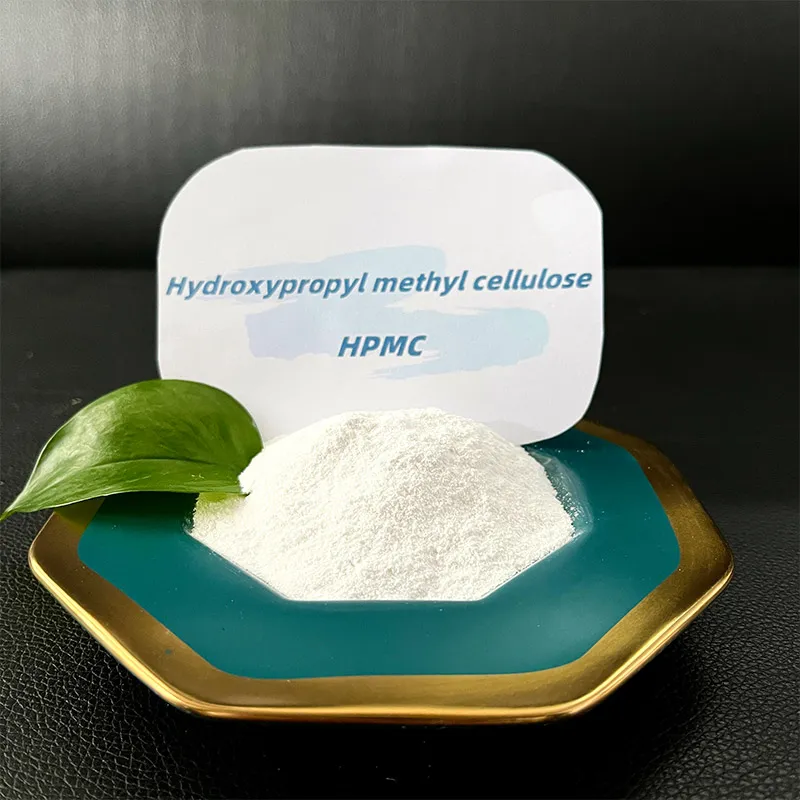
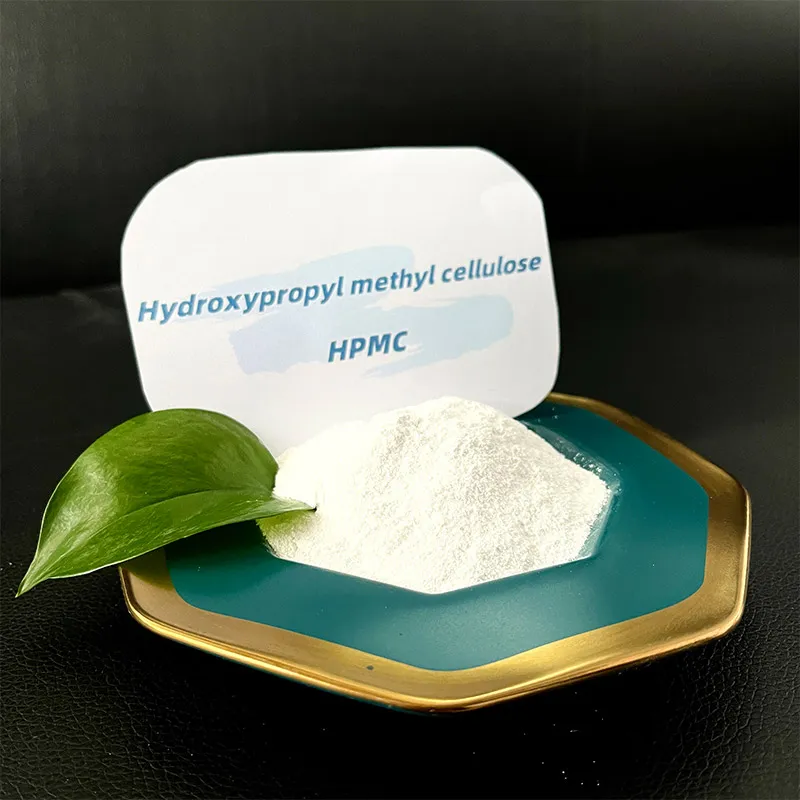
Hydroxypropyl methylcellulose (HPMC), also known as hypromellose, is a versatile compound used in va -
 types_d_amidon_modifies
Oct . 25, 2025
Rubber powder is a revolutionary material that opens up endless possibilities across various industr -
 top_grade_
Oct . 25, 2025
In the realm of pharmaceuticals, HPMC stands for Hydroxypropyl Methylcellulose, a compound indispens


